
Timetable
Ferries to the Canary Islands and between the islands
Which island, which port, how long - all Canary Islands ferry connections compared
- Eight islands, one ferry network: Tenerife - Gran Canaria in 80 minutes, Lanzarote - Fuerteventura in 25
- Three ferry companies: Fred Olsen Express, Baleària Canarias (formerly Naviera Armas) and Líneas Romero
- From the mainland from Cádiz and Huelva in 28 to 39 hours, with car, motorhome and dog
Canary Islands route map
The map shows all ferry connections between the islands and from mainland Spain. The dense routes run between neighbouring islands, while the long routes from Cádiz and Huelva end on Lanzarote, Gran Canaria and Tenerife.
- Balearia
- Naviera Armas
- Naviera Nortour
- Ferry Isla De Lobos
- Fred Olsen Express
- Lineas Romero
- Biosfera Express
Balearia 6 hours
Check prices Naviera Armas 6 hours
Check prices Balearia 15 hours 30 minutes
Check prices Naviera Armas 10 hours 45 minutes
Check prices Naviera Nortour 15 minutes
Check prices Ferry Isla De Lobos 15 minutes
Check prices Fred Olsen Express 25 minutes
Check prices Balearia 35 minutes
Check prices Lineas Romero 25 minutes
Check prices Naviera Armas 35 minutes
Check prices Balearia 50 minutes
Check prices Fred Olsen Express 50 minutes
Check prices Naviera Armas 50 minutes
Check prices Fred Olsen Express 30 minutes
Check prices Balearia 3 hours 50 minutes
Check prices Fred Olsen Express 3 hours 50 minutes
Check prices Naviera Armas 3 hours 50 minutes
Check prices Fred Olsen Express 1 hour 10 minutes
Check prices Balearia 50 minutes
Check prices Fred Olsen Express 50 minutes
Check prices Naviera Armas 50 minutes
Check prices Balearia 2 hours 30 minutes
Check prices Fred Olsen Express 2 hours 30 minutes
Check prices Naviera Armas 2 hours 30 minutes
Check prices Fred Olsen Express 2 hours 20 minutes
Check prices Fred Olsen Express 2 hours
Check prices Balearia 1 hour 45 minutes
Check prices Naviera Armas 1 hour 45 minutes
Check prices Balearia 4 hours 15 minutes
Check prices Naviera Armas 4 hours 15 minutes
Check prices Ferry Isla De Lobos 3 hours 15 minutes
Check prices Balearia 47 hours 30 minutes
Check prices Naviera Armas 10 hours 30 minutes
Check prices Balearia 2 hours 30 minutes
Check prices Fred Olsen Express 2 hours 30 minutes
Check prices Naviera Armas 2 hours 30 minutes
Check prices Balearia 4 hours
Check prices Fred Olsen Express 2 hours
Check prices Naviera Armas 4 hours
Check prices Balearia 28 hours
Check prices Naviera Armas 28 hours
Check prices Balearia 6 hours
Check prices Naviera Armas 6 hours
Check prices Balearia 9 hours 45 minutes
Check prices Naviera Armas 10 hours 45 minutes
Check prices Balearia 2 hours 15 minutes
Check prices Naviera Armas 2 hours 15 minutes
Check prices Balearia 6 hours
Check prices Naviera Armas 6 hours
Check prices Balearia 35 hours 10 minutes
Check prices Naviera Armas 35 hours 30 minutes
Check prices Fred Olsen Express 35 hours 36 minutes
Check prices Fred Olsen Express 2 hours
Check prices Balearia 1 hour 45 minutes
Check prices Naviera Armas 1 hour 45 minutes
Check prices Balearia 6 hours
Check prices Naviera Armas 6 hours
Check prices Naviera Armas 6 hours 40 minutes
Check prices Balearia 1 hour 40 minutes
Check prices Naviera Armas 1 hour 40 minutes
Check prices Fred Olsen Express 1 hour 20 minutes
Check prices Lineas Romero 25 minutes
Check prices Biosfera Express 25 minutes
Check prices Ferry Isla De Lobos 15 minutes
Check prices Naviera Nortour 15 minutes
Check prices Ferry Isla De Lobos 2 hours 20 minutes
Check prices Ferry Isla De Lobos 1 hour 20 minutes
Check prices Ferry Isla De Lobos 3 hours 15 minutes
Check prices Lineas Romero 25 minutes
Check prices Biosfera Express 25 minutes
Check prices Fred Olsen Express 24 minutes
Check prices Balearia 35 minutes
Check prices Lineas Romero 25 minutes
Check prices Naviera Armas 35 minutes
Check prices Fred Olsen Express 29 minutes
Check prices Fred Olsen Express 39 minutes
Check prices Fred Olsen Express 1 hour 20 minutes
Check prices Balearia 8 hours 40 minutes
Check prices Naviera Armas 10 hours 10 minutes
Check prices Balearia 33 hours
Check prices Naviera Armas 33 hours
Check prices Fred Olsen Express 34 hours 30 minutes
Check prices Balearia 1 hour 40 minutes
Check prices Naviera Armas 1 hour 40 minutes
Check prices Balearia 4 hours 10 minutes
Check prices Naviera Armas 4 hours 10 minutes
Check prices Balearia 11 hours 30 minutes
Check prices Naviera Armas 10 hours 10 minutes
Check prices Fred Olsen Express 40 minutes
Check prices Fred Olsen Express 1 hour 10 minutes
Check prices Fred Olsen Express 2 hours 20 minutes
Check prices The eight Canary Islands
From east to west. Each island has its own page with all connections, the right ports and the car question.
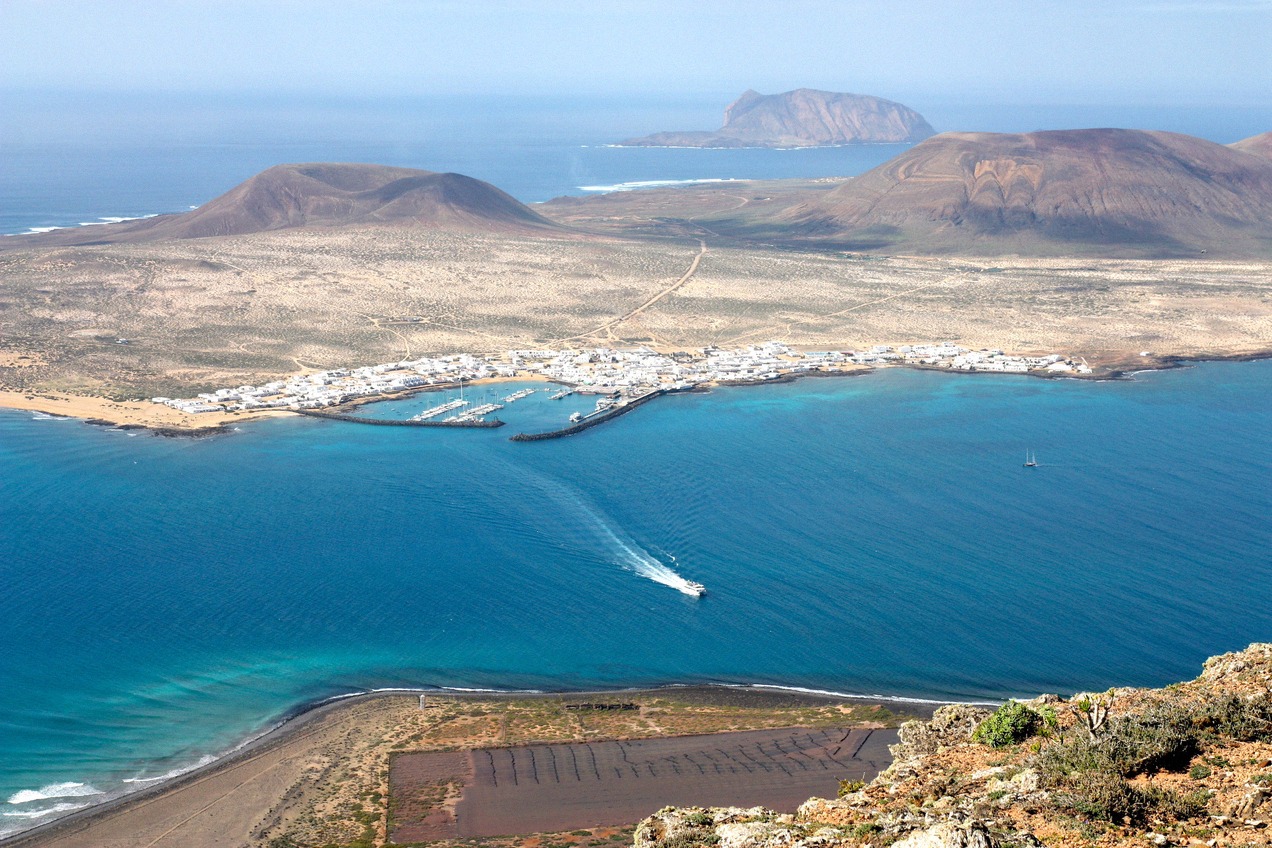
La Graciosa
25 minutes from Órzola in the north of Lanzarote, around 16 departures a day with Líneas Romero and Biosfera Express - without a car, as La Graciosa has no paved roads.
To the island
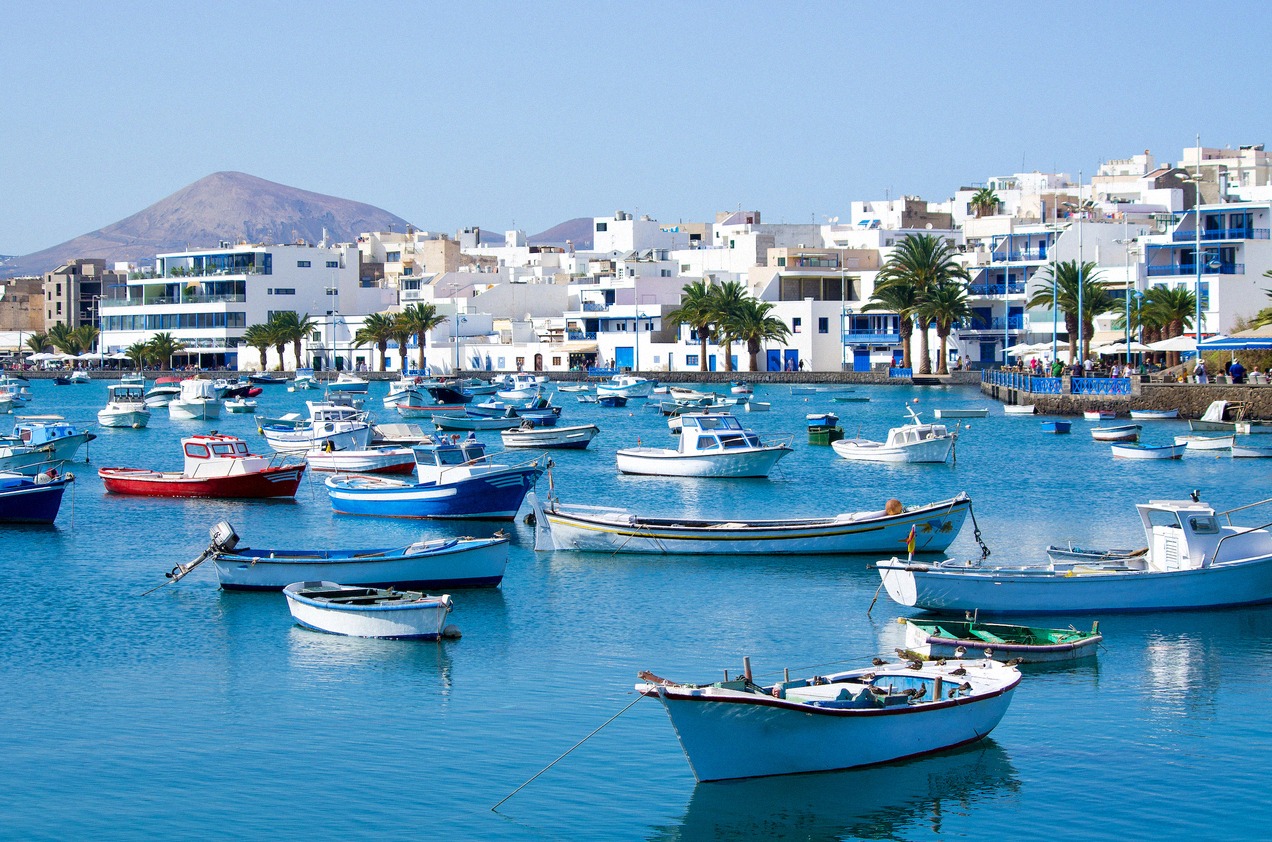
Lanzarote
Three ports with three roles - Playa Blanca for the 25-minute ferry to Fuerteventura, Arrecife for Gran Canaria, Tenerife and Cádiz, Órzola for La Graciosa.
To the island
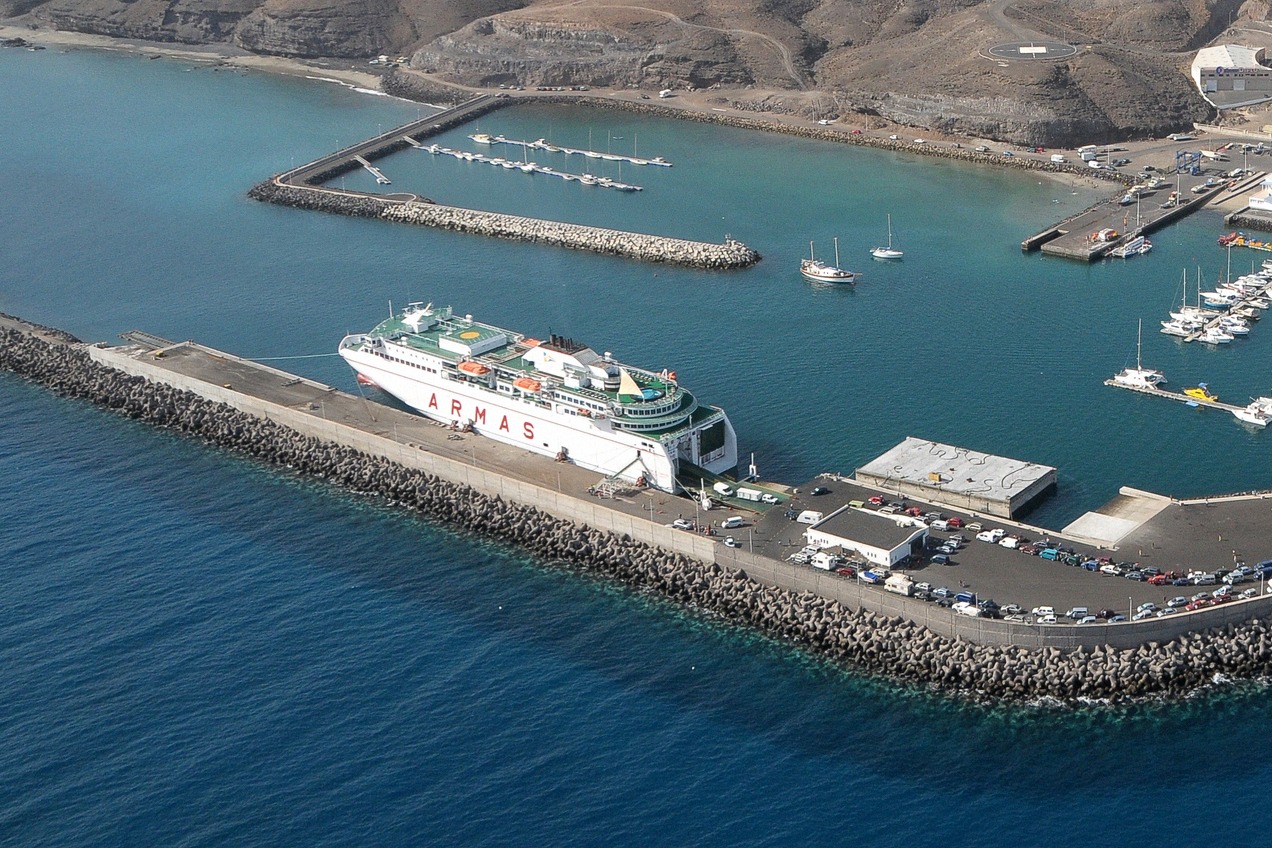
Fuerteventura
Corralejo in the north for Lanzarote, Morro Jable in the south for Gran Canaria and Tenerife, Puerto del Rosario for the overnight ferries and Cádiz - plus the small island of Lobos.
To the island
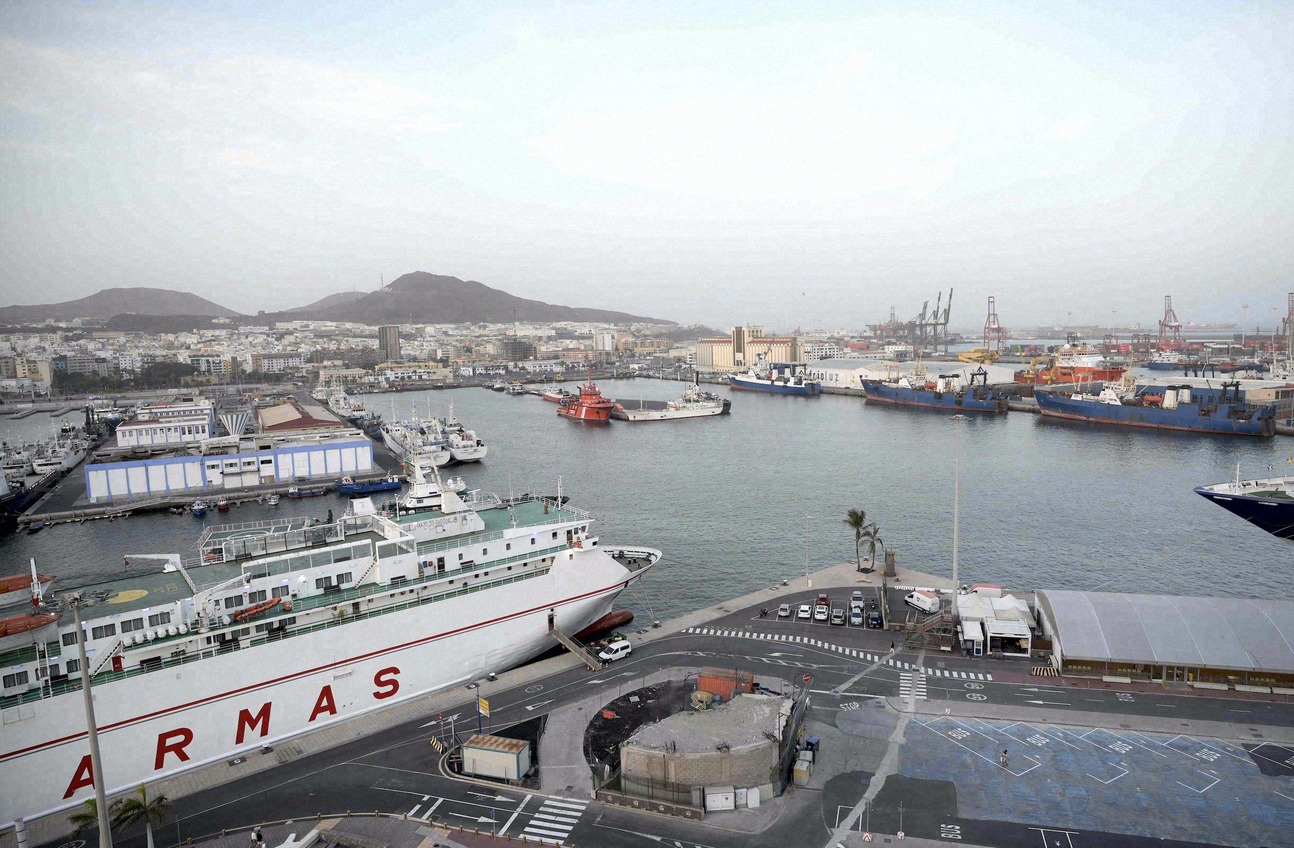
Gran Canaria
Las Palmas is the hub of the Canary Islands - Tenerife, Fuerteventura, Lanzarote, La Palma and both mainland ports converge here. Plus the fast ferry to Agaete.
To the island
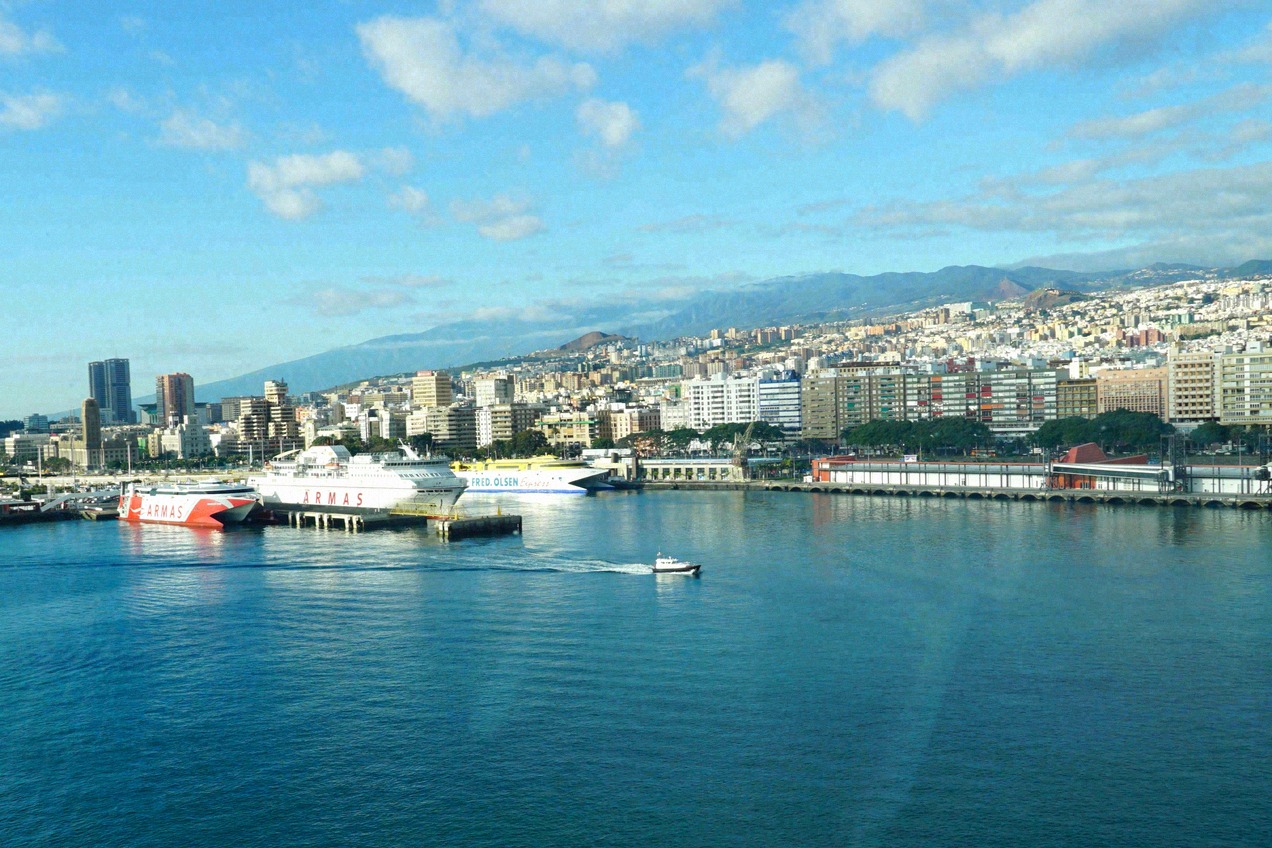
Tenerife
Two ferry ports, two roles - Santa Cruz for Gran Canaria, the eastern half and the mainland, Los Cristianos for La Gomera, La Palma and El Hierro.
To the island
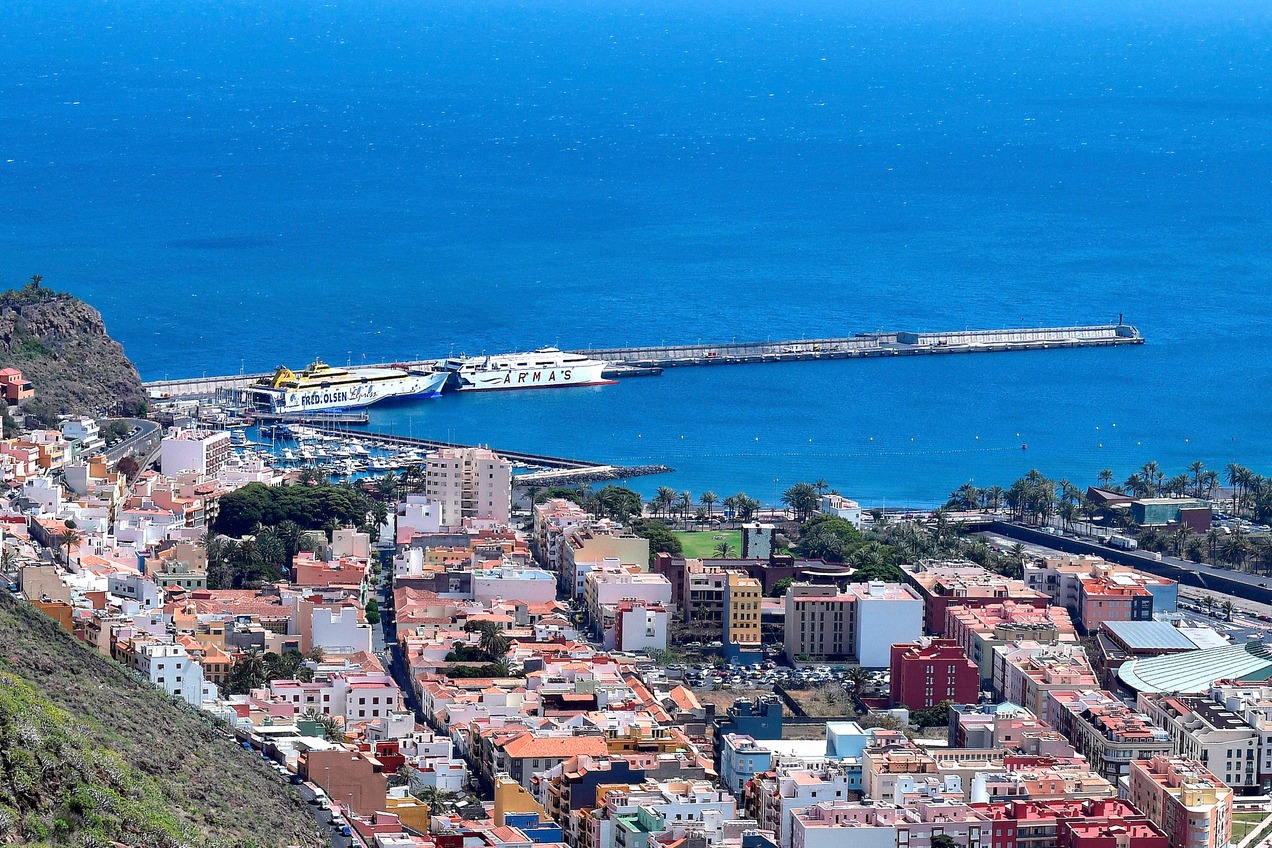
La Gomera
50 minutes from Los Cristianos on Tenerife, around seven departures a day with Fred Olsen Express and Baleària Canarias - plus the connection to La Palma and the coastal route to Valle Gran Rey.
To the island
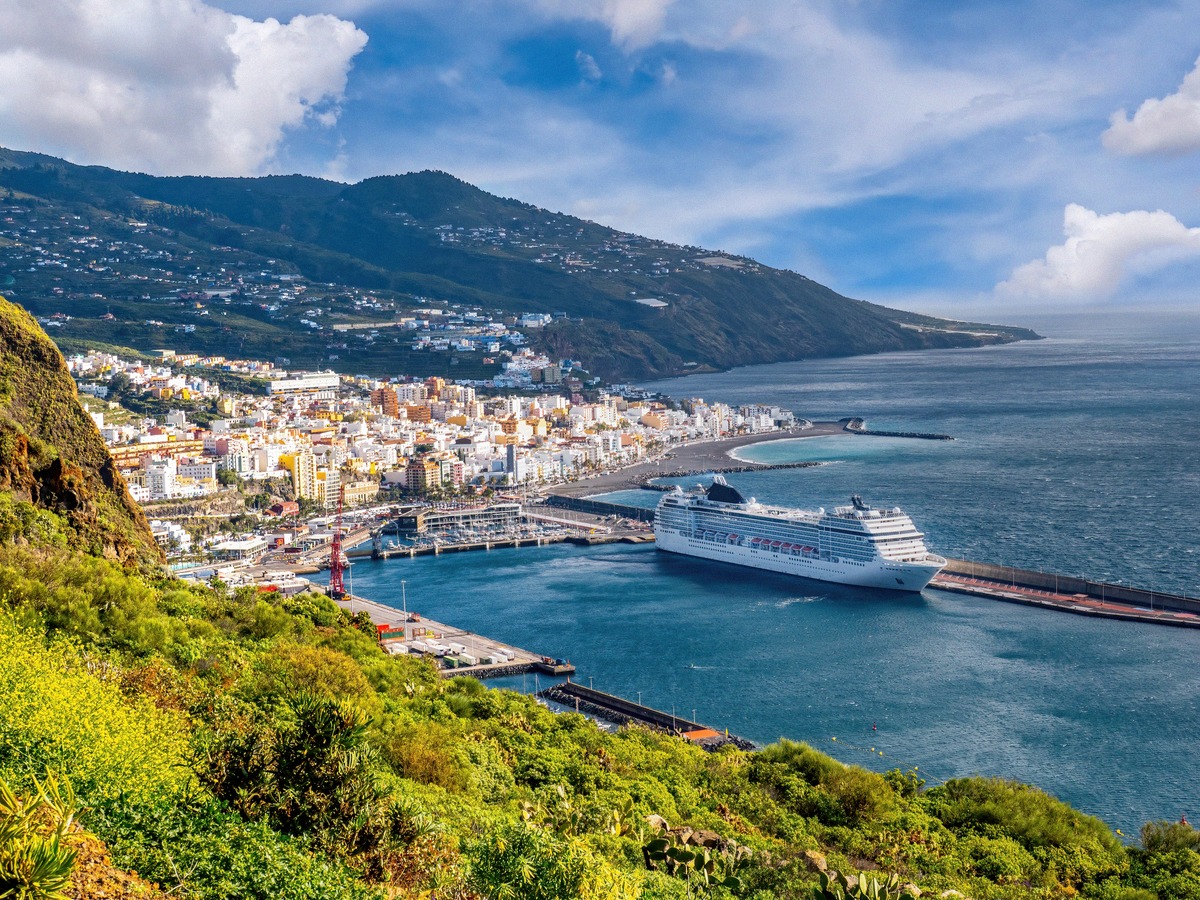
La Palma
Two and a half hours from Los Cristianos on Tenerife with Fred Olsen Express or Baleària Canarias, plus La Gomera, the occasional direct ferries from Gran Canaria and Santa Cruz de Tenerife, and the mainland line from Cádiz.
To the island
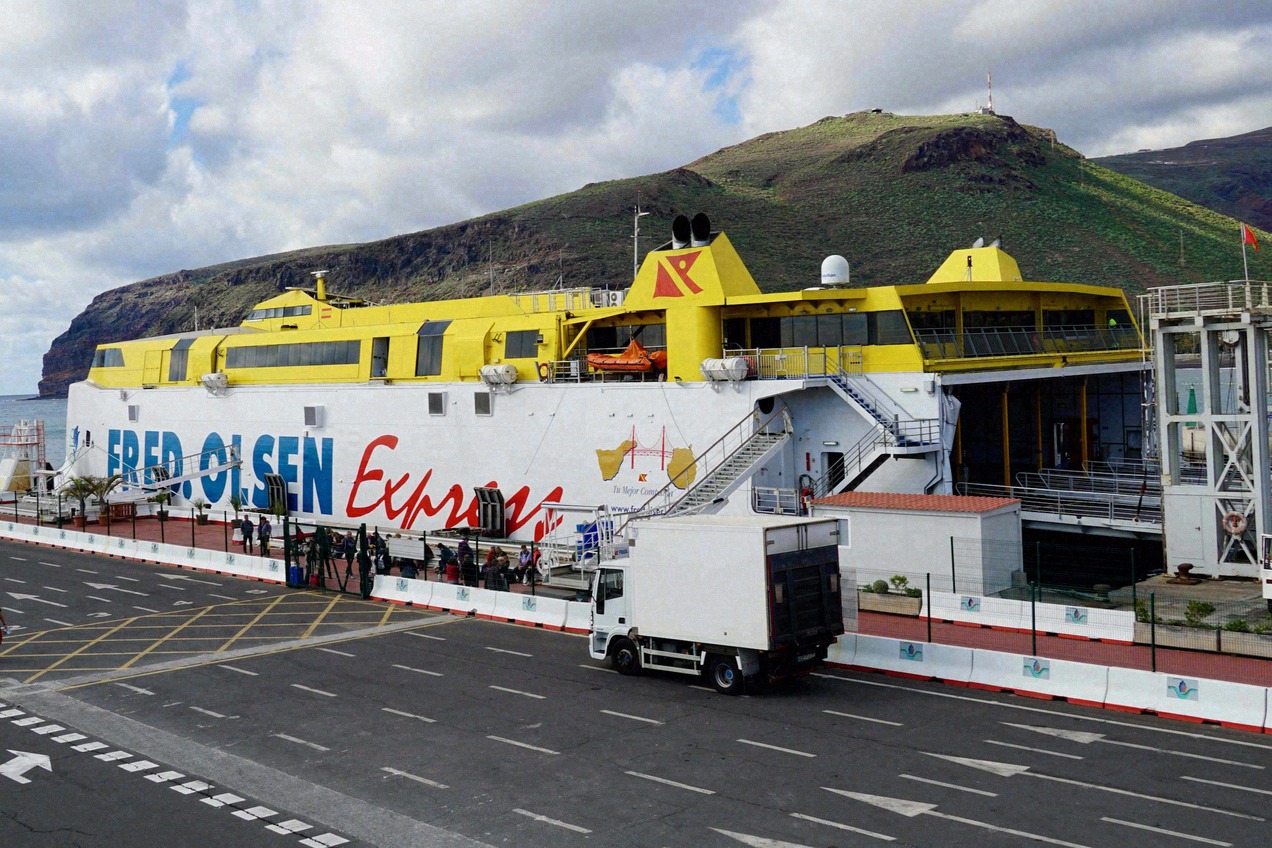
El Hierro
One connection, one ferry company - Fred Olsen Express sails daily in 2 hours 20 minutes from Los Cristianos on Tenerife to Valverde, carrying vehicles.
To the island
Popular routes
The most booked connections between the islands and from the mainland, with crossing time, frequency and booking.
Prices per person, one way




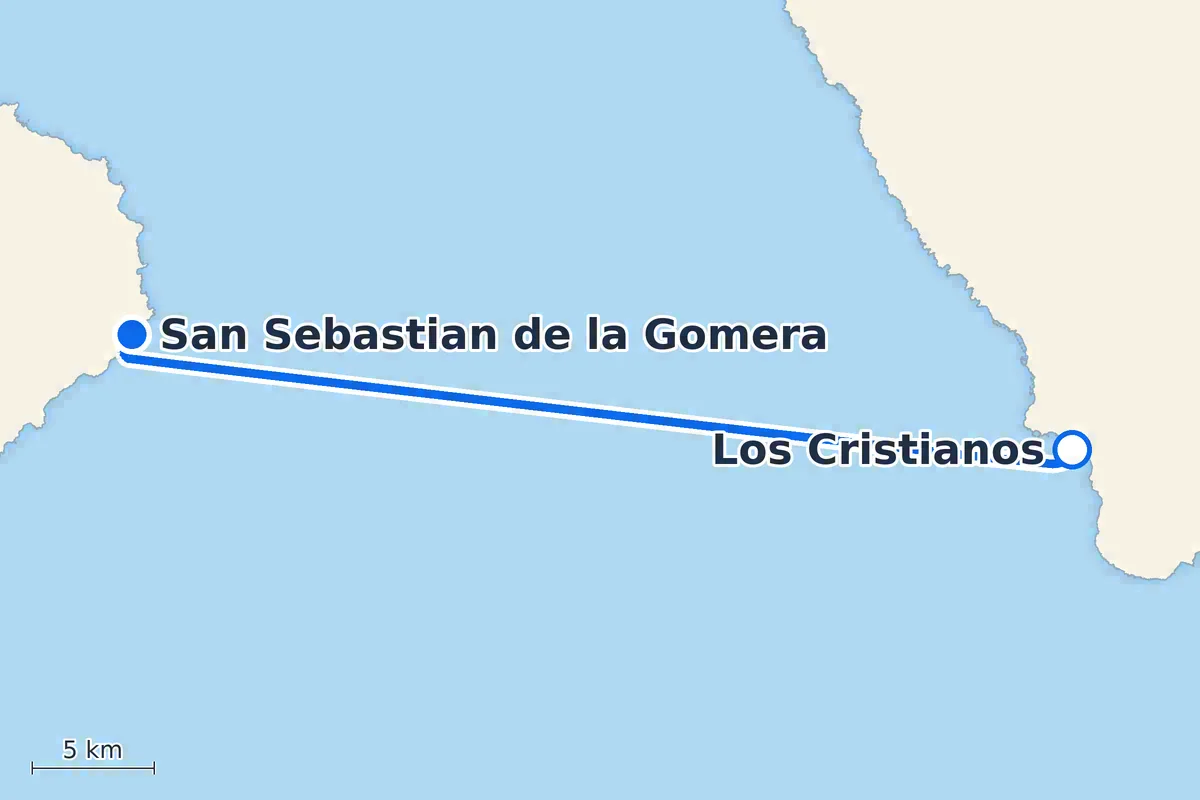
© OpenStreetMap contributors
Which island, which port
Table of Contents
The Canary Islands are a two-tier ferry network. Fast ferries run between neighbouring islands roughly every hour, while two overnight lines come from mainland Spain. Which island you choose determines the port, the ferry company and whether the crossing takes 25 minutes or 35 hours.
Tenerife from Santa Cruz and Los Cristianos
The largest island has two ferry ports with clearly defined roles: Santa Cruz for Gran Canaria, the eastern islands and the mainland, Los Cristianos for La Gomera, La Palma and El Hierro. You reach Gran Canaria in 80 minutes (Ferry Tenerife - Gran Canaria), La Gomera in 50 (Ferry Tenerife - La Gomera). All connections on Ferry to Tenerife.
Gran Canaria from Las Palmas and Agaete
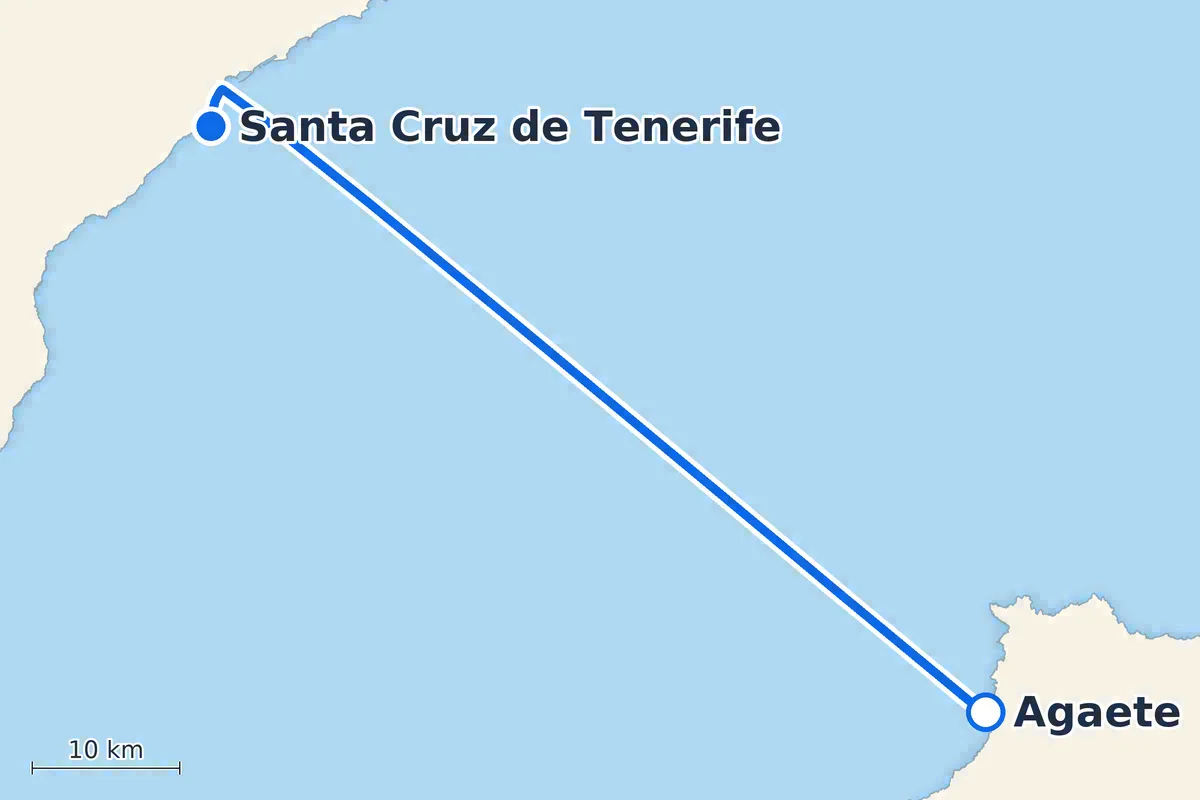
Las Palmas is the hub of the archipelago: Tenerife, Fuerteventura, Lanzarote, La Palma and both mainland ports all converge here. Agaete in the northwest is the port for the 80-minute fast ferry to Santa Cruz de Tenerife. More on Ferry to Gran Canaria.
Lanzarote and Fuerteventura via the Bocaina
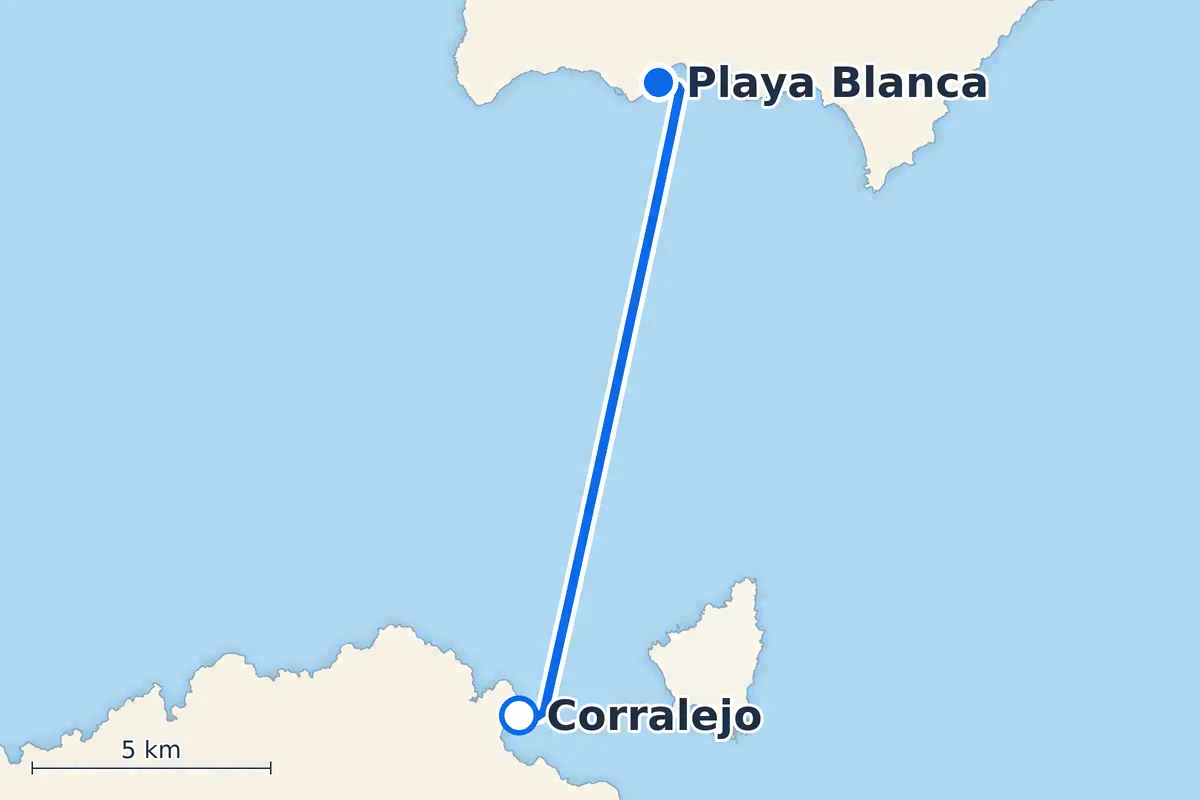
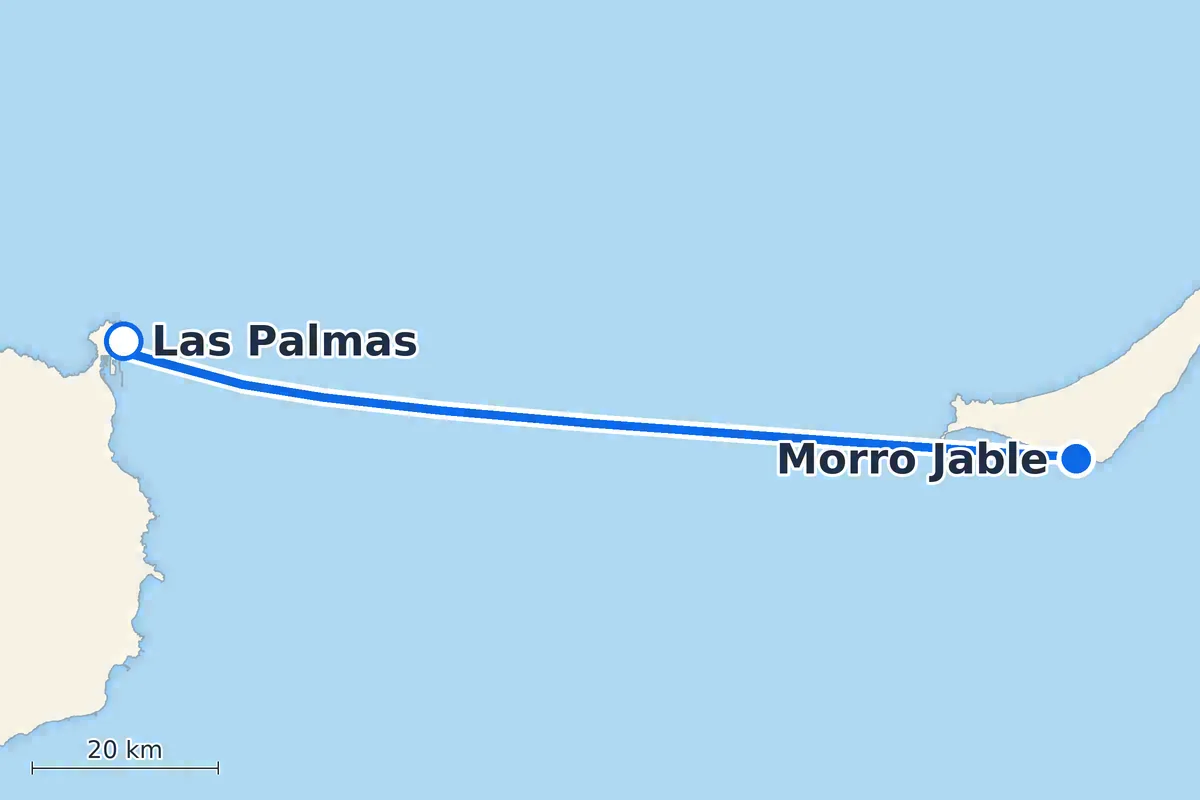
Between Playa Blanca and Corralejo, three ferry companies run around 25 times a day, 25 minutes (Ferry Lanzarote - Fuerteventura). Lanzarote also has Arrecife for the long routes and Órzola for La Graciosa, while Fuerteventura has Morro Jable for Gran Canaria and Tenerife and Puerto del Rosario for the overnight ferries. Details on Ferry to Lanzarote and Ferry to Fuerteventura.
La Gomera, La Palma and El Hierro from Los Cristianos
The three western islands are linked to the port in the south of Tenerife: La Gomera in 50 minutes with around seven departures a day, La Palma in two and a half hours (Ferry Tenerife - La Palma), El Hierro in 2 hours 20 minutes with one departure a day (Ferry Tenerife - El Hierro). Between La Gomera and La Palma the ships continue on (Ferry La Palma - La Gomera). More on Ferry to La Gomera, Ferry to La Palma and Ferry to El Hierro.
La Graciosa from Órzola
You reach the eighth island in 25 minutes from the northern tip of Lanzarote, around 16 times a day. The car stays in Órzola, as the island is car-free. Everything on Ferry to La Graciosa.
From the mainland via Cádiz and Huelva
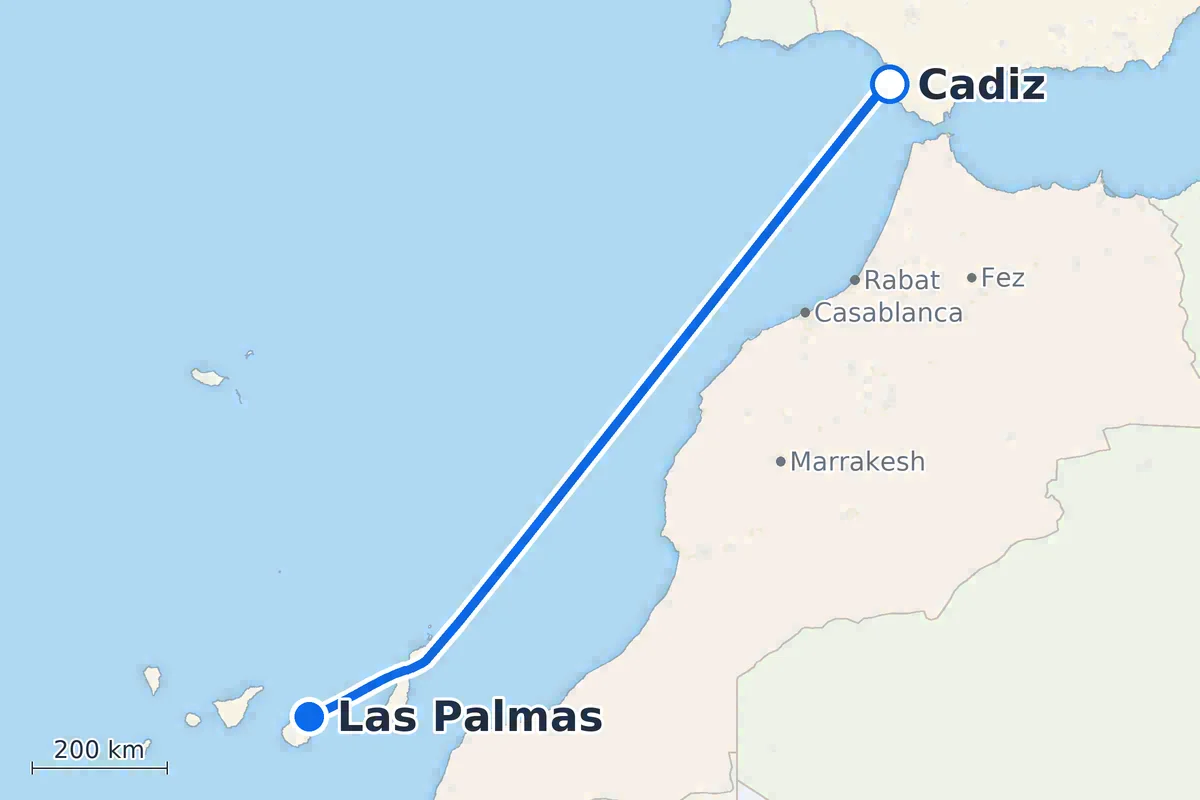
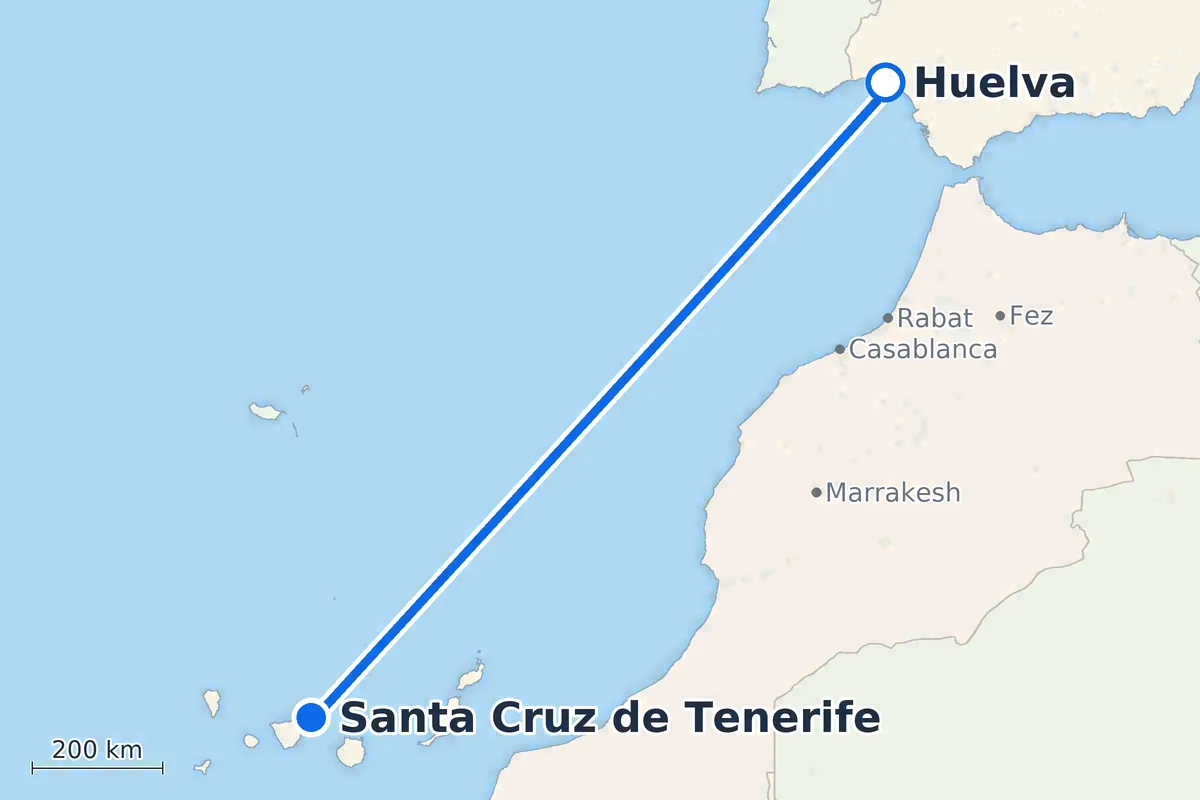
Baleària Canarias sails from Cádiz once or twice a week on a round trip calling at up to five islands, reaching Lanzarote after 28 hours and Gran Canaria and Tenerife after 33 to 35. Fred Olsen Express sails from Huelva three times a week to Las Palmas and Santa Cruz de Tenerife, 37 to 39 hours. Both lines carry cars, motorhomes and pets; the seven routes each have their own page, for example Cádiz - Gran Canaria and Huelva - Tenerife.
The ferry companies
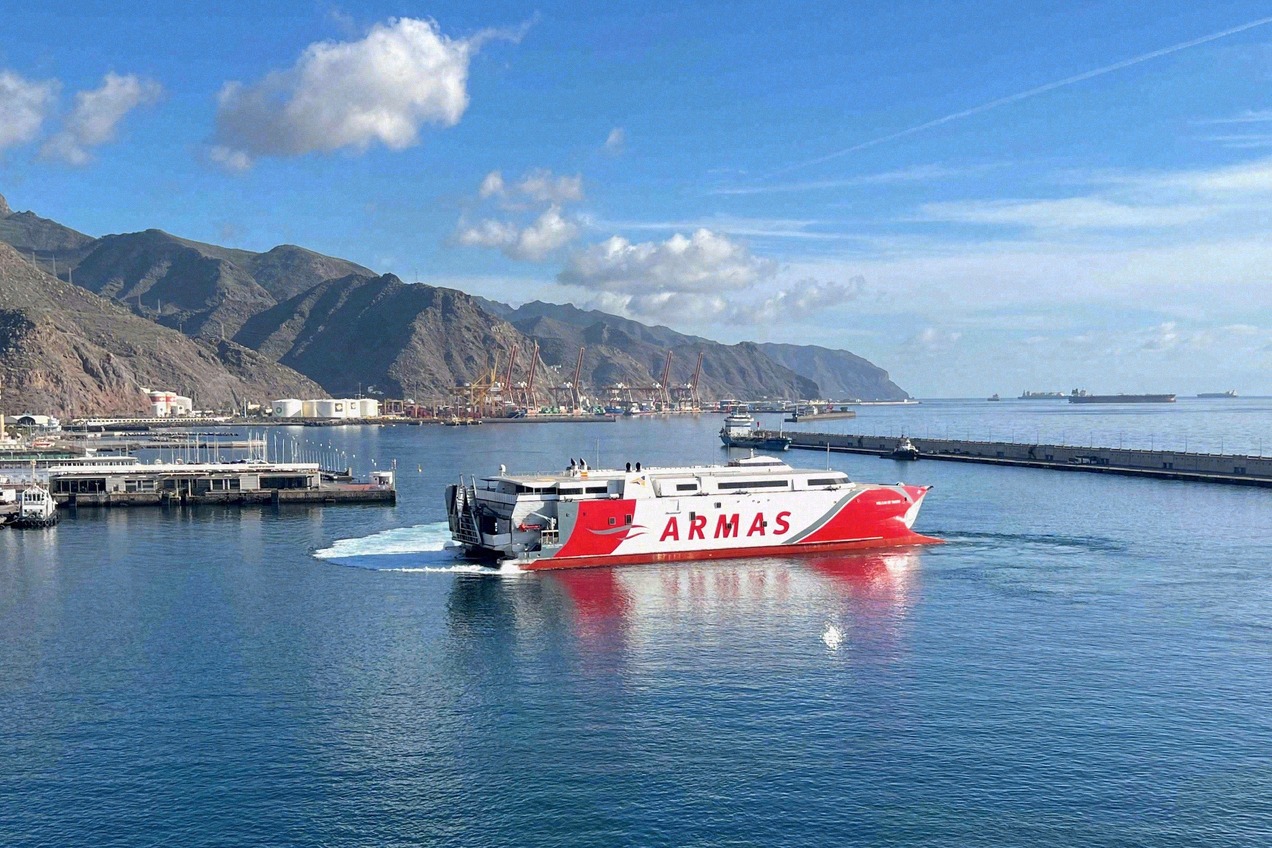
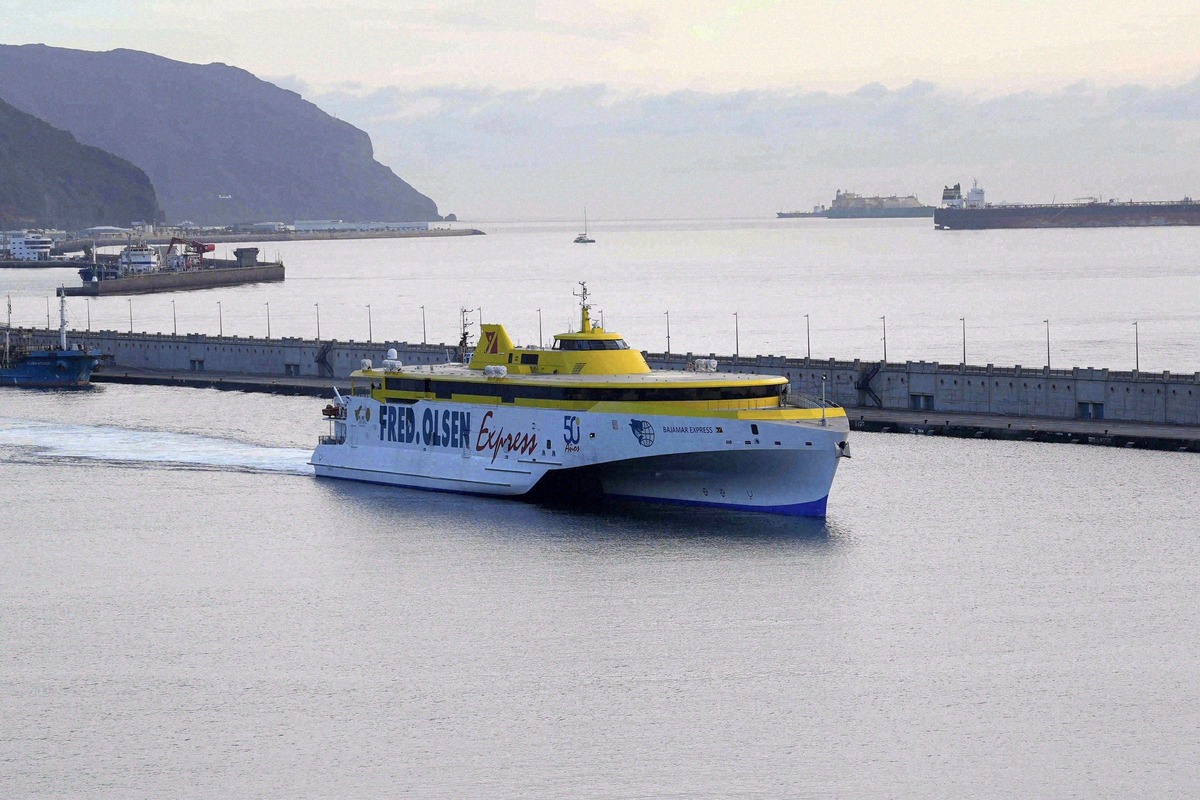
Two large operators handle almost all the traffic: Fred Olsen Express with fast ferries on six inter-island routes and from Huelva, Baleària Canarias as the successor to Naviera Armas and Trasmediterránea with ro-pax ferries between all the islands and from Cádiz. Alongside them, Líneas Romero and the small operators serving La Graciosa, the Bocaina and Lobos. Full profiles on the Ferry Companies page.
Travelling with a car between the islands
The car comes with you on every route except to La Graciosa and Lobos. With Baleària Canarias, the rule is: 90 minutes before departure at the terminal with a vehicle, 60 minutes without. Fred Olsen Express and Líneas Romero ask for your number plate when you book. The special case is a rental car: many rental firms in the Canary Islands rule out taking the car to another island, so check your rental agreement before booking. For a day trip to La Gomera, Gran Canaria or Lanzarote, travelling as a foot passenger is enough; buses and rental cars are waiting at the destination ports.
The eight islands compared
Crossing times are median values from the ferry companies' published timetables, as of early September 2026. Current departures are shown in the timetable.
Ferry ports, neighbouring islands and mainland connection
FAQ
Frequently asked questions
The key questions about the ferry to the Canary Islands, answered concisely.
Which ferries run to the Canary Islands? +
From mainland Spain you travel with Baleària Canarias from Cádiz and with Fred Olsen Express from Huelva to the islands, for example to Gran Canaria, Tenerife or Huelva - Tenerife. On top of that there is a dense network of ferries between the eight islands, from Tenerife and Gran Canaria to Lanzarote and Fuerteventura.
Which ferry companies operate in the Canary Islands? +
Two large ones and a few small ones. Baleària Canarias is the brand that emerged in May 2026 from Baleària’s takeover of Naviera Armas and Trasmediterránea; it serves the Cádiz route and many inter-island connections. Fred Olsen Express sails from Huelva and operates the fast ferries between the islands. Líneas Romero and Biosfera Express serve La Graciosa and the Bocaina crossing, while Naviera Nortour and Ferry Isla de Lobos serve the Isla de Lobos. Full profiles on the Ferry Companies page.
How long does the crossing from the mainland to the Canary Islands take? +
Around 28 hours to Lanzarote and 33 to 39 hours to Tenerife and Gran Canaria, depending on the port and the order of the stops, so it's an overnight crossing with a cabin or a reclining seat. Between the islands the ferries are short: 25 minutes between Lanzarote and Fuerteventura, 50 minutes from Tenerife to La Gomera, 80 minutes from Tenerife to Gran Canaria.
What does the ferry to the Canary Islands cost? +
The fare depends on the route, tariff, cabin, vehicle and booking time. Baleària Canarias and Fred Olsen Express offer standard fares as well as discounts for residents and young travellers. The current price for your travel date is shown in the booking window, and a comparison of all Canary Islands routes is in the price overview.
Can I bring my car or motorhome? +
Yes, on all ferry routes except to La Graciosa and Lobos you can bring a car, motorhome, caravan, motorbike or bicycle. Large vehicles and peak season sell out quickly, so book early. With a rental car, check the rental terms beforehand. All the details for arriving with a motorhome are in the guide Travelling to the Canary Islands by motorhome.
Can I bring my dog? +
Yes, pets are welcome on board and must be registered when booking. Depending on the ship, animals travel in pet-friendly cabins, in kennels on deck or on a mat next to your seat. Everything on the rules and practice is in the guide Travelling to the Canary Islands with your dog.
Ready for the Canary Islands?
Compare the routes from the mainland and between the islands, then check the departures for your date.