
Canary Islands Ferry
Huelva - Tenerife
By ferry from the Spanish mainland to the Canary Islands, year-round across the Atlantic to Santa Cruz de Tenerife
- Up to 3 departures a week from Huelva, usually on Tuesdays, Fridays and Sundays
- Around 34 to 40 hours with Fred. Olsen Express from the Puerto Exterior (Muelle Sur), direct or via Las Palmas
- Car, motorhome, bike and pets on board, cabin or seat for the overnight crossing
Route Guide
Ferry Huelva - Tenerife at a glance
Table of Contents
Everything about the Huelva - Tenerife ferry route: getting to the Puerto Exterior in Huelva, check-in for the long Atlantic crossing, facilities on board with Fred. Olsen Express, vehicle and pet rules, and arrival in Santa Cruz de Tenerife.
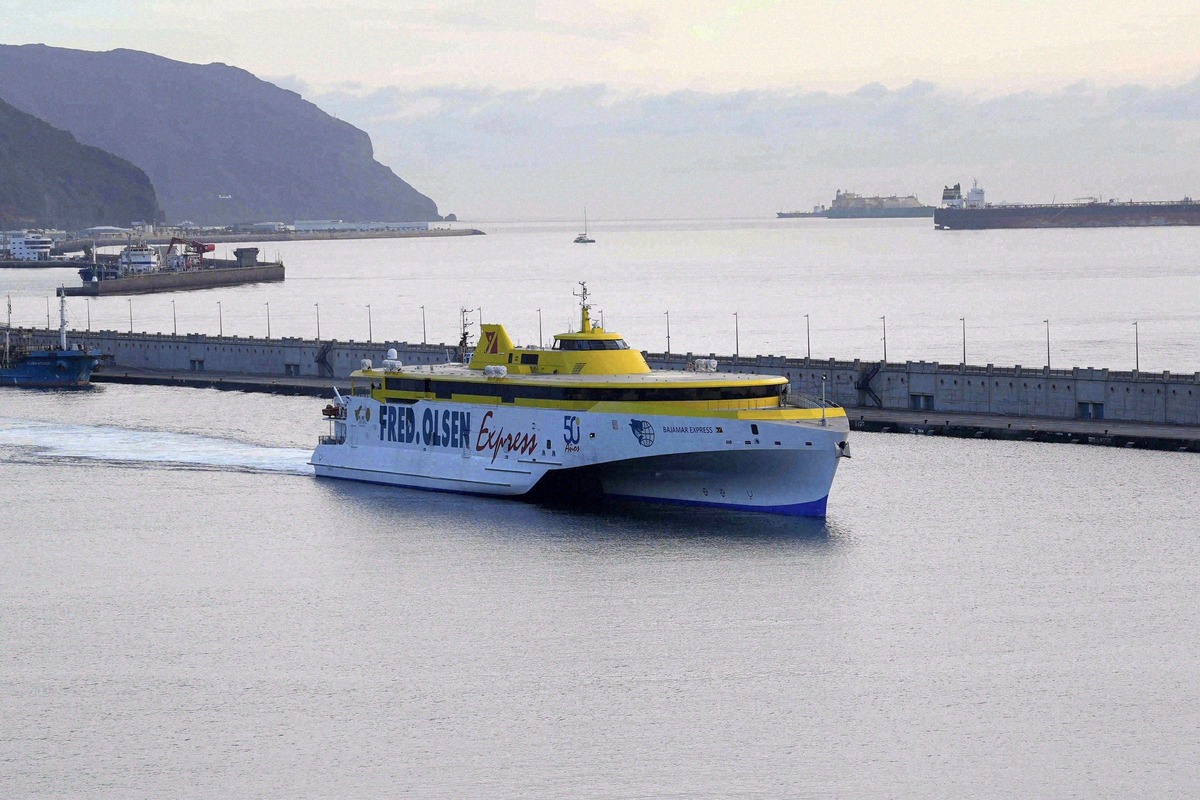
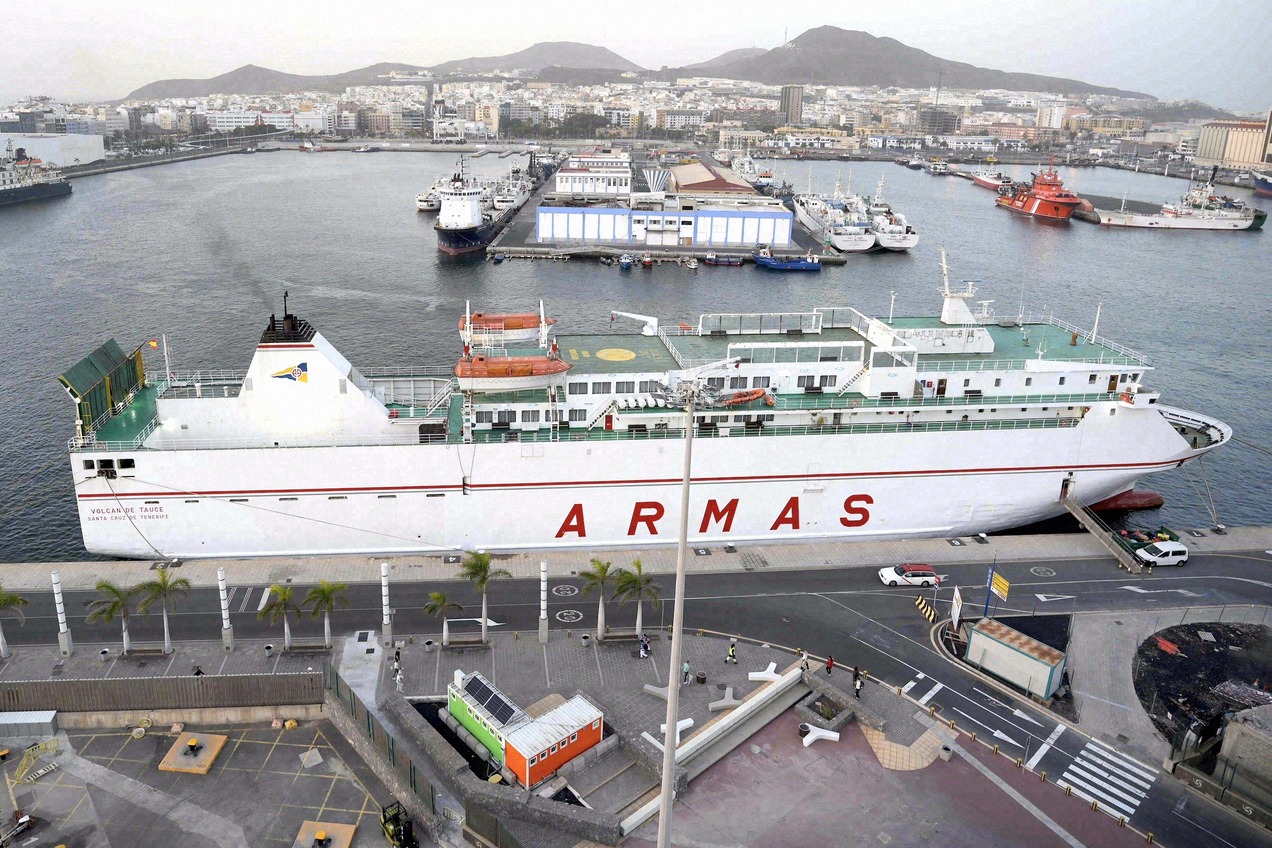
Getting there and the Huelva terminal The ferry to the Canary Islands departs from the Puerto Exterior in Huelva, at the Muelle Sur in Palos de la Frontera. The outer harbour lies a few kilometres outside the centre. By car, you reach it via the signposted access road from the greater Huelva area. Without your own vehicle, you can usually reach the terminal comfortably by the ferry bus that Fred. Olsen runs from the city centre to the port. ## Check-in and departure Because this is a long crossing involving vehicle loading, you should arrive at the terminal early, usually around two hours before departure, and a little earlier still if you have a vehicle. Have a valid ID card or passport ready, which the shipping company checks at check-in. If you're travelling with a vehicle or pet, allow extra time to register at the counter. ## On board Fred. Olsen Express operates a conventional ro-pax ferry such as the Buenavista Express on the Huelva - Canary Islands line, designed for the overnight crossing. On board you'll find restaurants, bars and lounge areas, and outdoor decks with sea views. For the night, you can choose between seats, a Sleep Lounge with berths, and cabins in various categories, including pet-friendly cabins. Payment on board is cashless, in euros. ## Vehicle, bike and pets You can bring cars, motorhomes, caravans, motorbikes and bicycles; larger vehicles and high season fill up quickly, so early booking pays off. Vehicles are kept on the lower deck, which is not accessible during the crossing. If you're travelling by motorhome, you'll find the details in the guide Travelling to the Canary Islands by motorhome. Pets must be registered when booking and travel, depending on the ship, in pet-friendly cabins or supervised pet cabins; everything about this is in the guide Travelling to the Canary Islands with a dog. ## Arrival in Santa Cruz de Tenerife and onward travel In Tenerife, the ferry docks at the port of Santa Cruz de Tenerife (Dársena de Anaga). The port is close to the city, just a few minutes from the centre and Plaza de España. From here you can easily reach the south of the island and the airport by bus (guagua), taxi or your own vehicle. Onward travel is therefore straightforward.
Tickets and fares Fred. Olsen Express offers the route at a standard fare as well as reduced fares for Canary Islands residents and for children, young people and seniors. You'll get the best price by booking early and being flexible with your travel date and accommodation. An overview of all Canary Islands routes is in the price overview.
Huelva - Tenerife
From the Spanish mainland to the Canary Islands
Next departures
FAQ Huelva - Tenerife
Frequently asked questions
Questions and answers about the Huelva - Tenerife ferry route
Which shipping company operates the ferry from Huelva to Tenerife? +
The Huelva - Tenerife route is operated by Fred. Olsen Express. The Atlantic crossing is served by a conventional ro-pax ferry such as the Buenavista Express, designed for the long overnight crossing with seats and cabins, rather than a high-speed catamaran as used on the short inter-island routes.
How often and on which days does the ferry run from Huelva to Tenerife? +
There are up to 3 departures a week, usually on Tuesdays, Fridays and Sundays. The service runs year-round, though departure days and times can shift slightly by season and demand. The exact times for your travel day are shown in the timetable.
How long does the crossing from Huelva to Tenerife take? +
Depending on the timetable and weather conditions, the crossing takes around 34 to 40 hours. The route runs partly direct and partly as a triangular service: the ferry sails from Huelva first to Las Palmas de Gran Canaria and then on to Santa Cruz de Tenerife. No need to change ferries in Gran Canaria; with a stop, the crossing time is extended accordingly.
Which port in Huelva does the ferry depart from, and where does it arrive in Tenerife? +
The ferries depart from the Puerto Exterior (Muelle Sur) in Huelva, a few kilometres outside the city centre in Palos de la Frontera. Fred. Olsen usually offers a ferry bus from central Huelva to the port. In Tenerife, the destination port is Santa Cruz de Tenerife (Dársena de Anaga), close to the city.
How much does the ferry from Huelva to Tenerife cost? +
The price depends on the fare, accommodation, vehicle and time of booking. Fred. Olsen Express offers a standard fare as well as reduced fares for Canary Islands residents and for children, young people and seniors. You'll get the best price by booking early and travelling in low season. A comparison of all Canary Islands routes is in the price overview.
Can I bring my vehicle on the ferry to Tenerife? +
Yes, you can bring a car, motorhome, caravan or motorbike. Vehicles are loaded on the lower deck, which is not accessible during the crossing. Spaces for larger vehicles on this route often sell out early, so an early booking is recommended; if you're travelling with a vehicle, you should be at the port especially early. Details for motorhome travellers are in the guide Travelling to the Canary Islands by motorhome.
Can I bring my pet on the Huelva - Tenerife ferry? +
Yes, pets are welcome on board and must be registered when booking. Depending on the ship, animals travel in a pet-friendly cabin or a supervised pet cabin. Bring the necessary health and vaccination documents. Everything about the rules and practicalities is in the guide Travelling to the Canary Islands with a dog.