
Canary Islands ferry
Ferry Gran Canaria - La Palma
The direct link from Las Palmas to the western island - crossing time, check-in, vehicles and pets on board, arrival in Santa Cruz de La Palma
- Around ten hours on the Mercedes Pinto, three to four departures a week
- Return on the Volcán de Tirajana in 6 hours 40, usually once a week early in the morning
- Check-in with Baleària Canarias: 60 minutes on foot, 90 minutes with a vehicle
Route guide
Ferry Gran Canaria - La Palma at a glance
Table of Contents
Everything about the Gran Canaria - La Palma ferry: the port of Las Palmas, check-in with Baleària Canarias, the ships on the direct line, vehicles and pets on board, and arriving in Santa Cruz de La Palma.
Getting there and the Las Palmas terminal
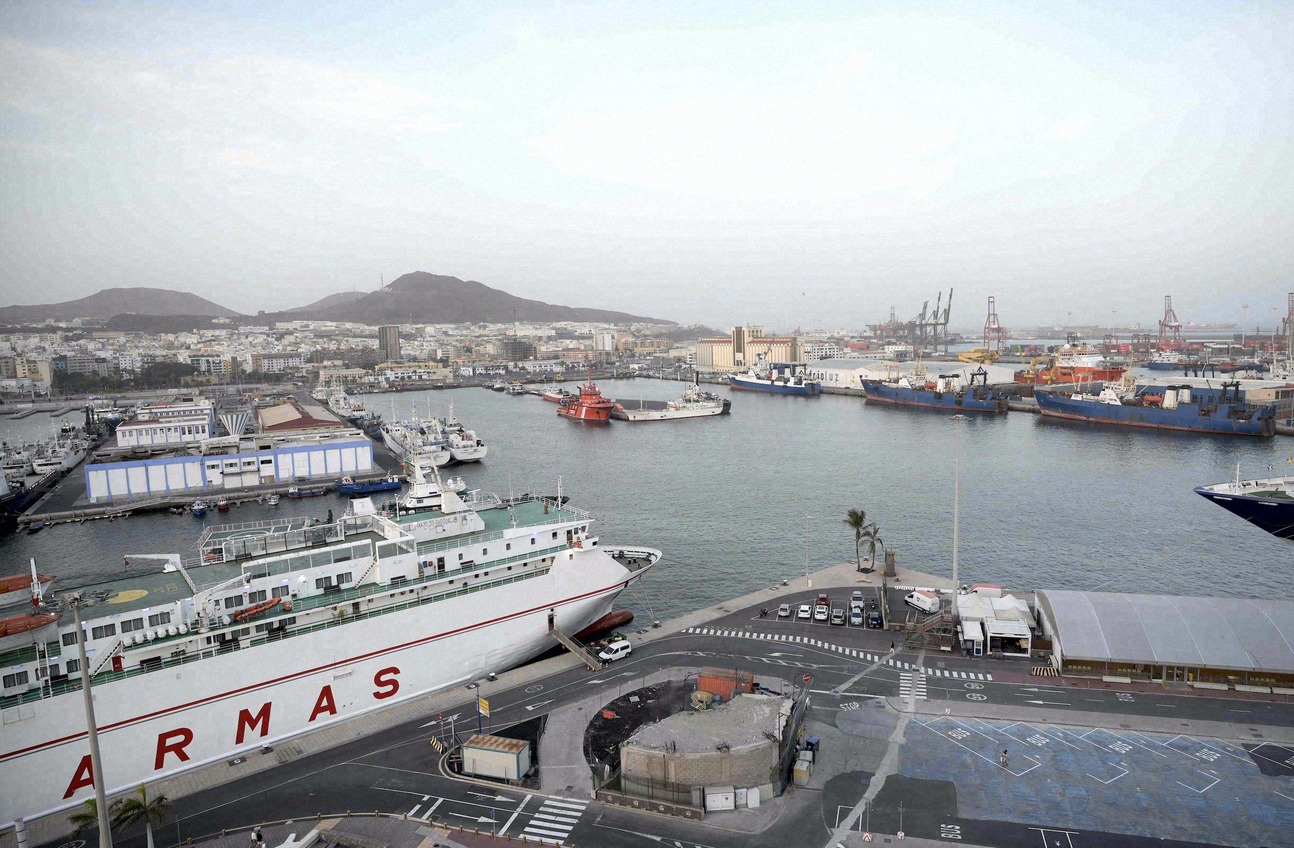
Baleària Canarias departs from the Puerto de la Luz, the large port in the north of Las Palmas, around ten minutes' walk from the Parque Santa Catalina. By car in the city, follow the signs for Puerto and Estación Marítima; it's around 25 kilometres from the GC-1 motorway from the south and from the airport. The island buses terminate at the Parque Santa Catalina, from where you walk to the terminal or take a taxi with luggage.
Check-in and departure
With Baleària Canarias you need to be at the terminal 60 minutes before departure without a vehicle and 90 minutes with one. Bring ID or a passport in your hand luggage, and residents show proof of address for the discount. The direct ferry sails three to four days a week, not daily; which days those are is shown in the timetable.
On board
The Mercedes Pinto takes around ten hours and sails during the day, with seating areas, a cafeteria and outdoor decks; a cabin isn't needed on the daytime crossing. On some days the Pepita Castellví covers the route in around six hours. For the return, Baleària Canarias uses the Volcán de Tirajana, 6 hours 40 starting early in the morning. Payment is in euros, by card.
Vehicles, bicycles and pets
Cars, motorhomes, caravans, motorbikes and bicycles travel along; vehicle type, dimensions and registration plate go into the booking. With a rental car you need the hire company's consent, and many exclude travel to another island. You register pets when booking and choose, depending on the ship, between a Pet&You mat next to your seat, a kennel on deck, or a pet-friendly cabin. More in the guides Travelling with a motorhome in the Canary Islands and Travelling with a dog in the Canary Islands.
Arrival in Santa Cruz de La Palma and onward travel
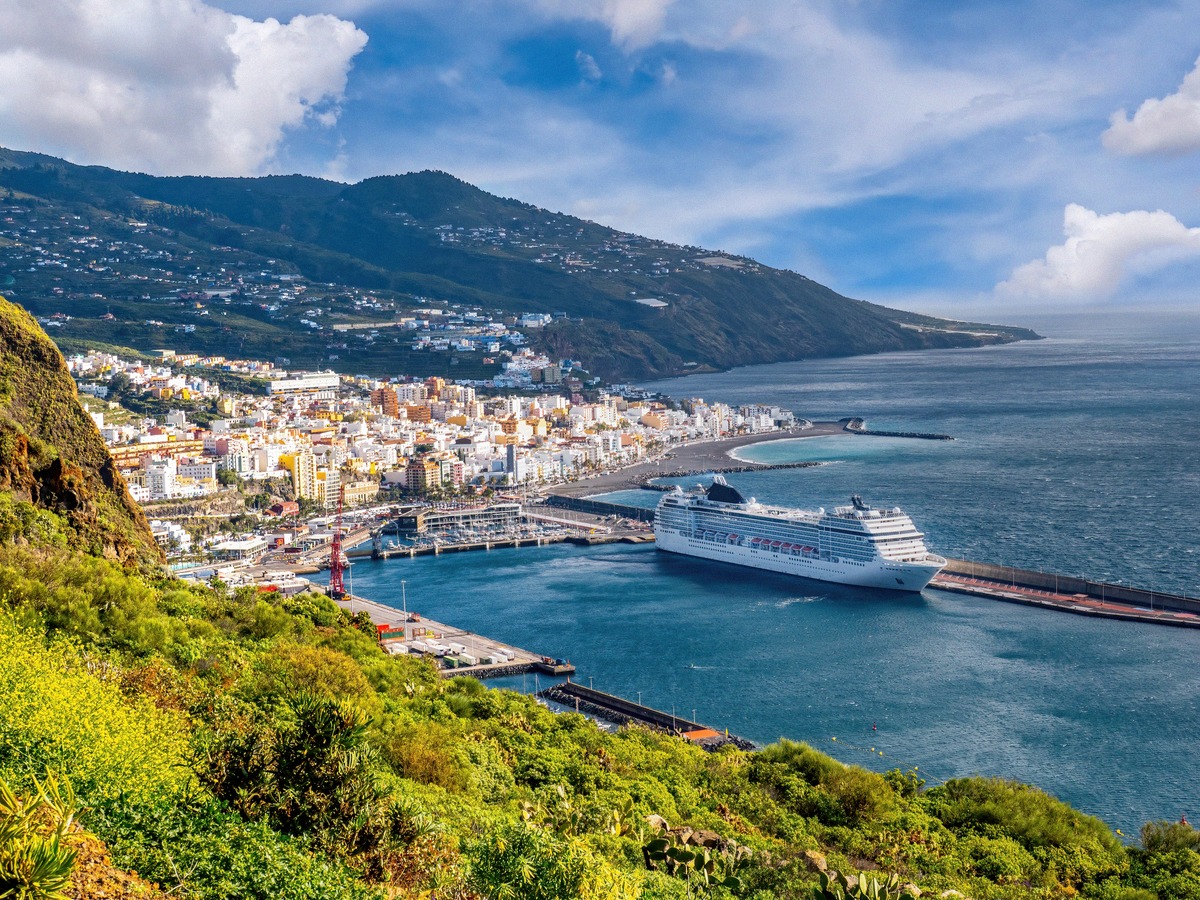
The ferry docks at the Estación Marítima in Santa Cruz de La Palma, with ticket desks, a bar and a waiting area, right below the old town and its Calle O'Daly. The airport is south of the town, the island buses run from the bus station in the centre, and by car you reach Los Llanos de Aridane in the west via the LP-3 through the tunnel.
Back from La Palma to Gran Canaria
The return from Santa Cruz de La Palma to Las Palmas runs on the Volcán de Tirajana in 6 hours 40, usually once a week and early in the morning. Check-in deadlines apply in both directions: 60 minutes without and 90 minutes with a vehicle. Travelling back on another day, you go via Tenerife. The next departures are shown in the timetable.
Tickets and fares
Tickets are available online, in the app and at the port desks. Canary Islands residents get a 75 percent state discount, and Baleària Canarias offers a fare with free cancellation. With only three to four departures a week, it's worth booking early - even more so with a vehicle. The booking window shows current prices, and the price overview compares all Canary Islands routes.
Gran Canaria - La Palma
Direct from Las Palmas to Santa Cruz de La Palma
Baleària Canarias runs a direct ferry from Las Palmas to Santa Cruz de La Palma: the Mercedes Pinto in around ten hours, three to four departures a week, during the day. On some days the Pepita Castellví adds a sailing and covers the route in around six hours. The return leg runs on the Volcán de Tirajana in 6 hours 40, usually once a week and early in the morning.
All ships carry vehicles. If you want to go faster, travel via Tenerife: to Santa Cruz de Tenerife, then a fast ferry from Los Cristianos to La Palma.
- Crossing
- around 10 hrs, return 6 hrs 40
- Operator
- Baleària Canarias
- Frequency
- 3 to 4 a week, return 1 a week
Next departures
FAQ Gran Canaria - La Palma
Frequently asked questions
Questions and answers about the Gran Canaria - La Palma ferry
How long does the ferry from Gran Canaria to La Palma take? +
Around ten hours on the Mercedes Pinto from Las Palmas to Santa Cruz de La Palma. On some days the Pepita Castellví takes around six hours; the return on the Volcán de Tirajana takes 6 hours 40.
How often does the ferry sail and when do I need to be at the port? +
Three to four departures a week from Las Palmas, with the return from Santa Cruz de La Palma usually once a week early in the morning. With Baleària Canarias you need to be at the terminal 60 minutes before departure without a vehicle and 90 minutes with one. Days and times are shown in the timetable.
What does the ferry to La Palma cost? +
That depends on your vehicle and when you book; Canary Islands residents pay considerably less with the state discount. The booking window shows the current price, and the price overview compares all routes.
Is there a faster way to La Palma? +
Yes, via Tenerife: 100 minutes from Las Palmas to Santa Cruz de Tenerife, then a fast ferry from Los Cristianos to Santa Cruz de La Palma in two and a half hours. With a car or motorhome, though, the direct ferry saves you swapping islands on Tenerife. Details on Ferry Tenerife - La Palma.
Can I bring my car or motorhome? +
Yes, all ships on the route carry cars, motorhomes, caravans, motorbikes and bicycles. With a rental car you need the hire company's consent. Details in the guide Travelling with a motorhome in the Canary Islands.
Can my dog come along? +
Yes, with registration at booking. Depending on the ship, your pet travels on a Pet&You mat next to your seat, in a kennel on deck, or in a pet-friendly cabin. Everything on this in the guide Travelling with a dog in the Canary Islands.